


Nippon Steel Corp. (NSC) has filed initial documents with Slovakian authorities to install electric arc furnace (EAF) technology at its newly separated steelworks complex in Košice, Slovakia. The Japanese steelmaking giant acquired the massive integrated facility last year through its acquisition of United States Steel Corp. To accelerate its regional strategy, Nippon Steel recently moved the site directly under its own corporate management structure rather than U.S. Steel oversight. This proposed shift from coal-intensive blast furnaces to an electricity- and scrap-based production method marks a major step in the company’s European decarbonization strategy.
Modernizing the Košice Complex for Decarbonization
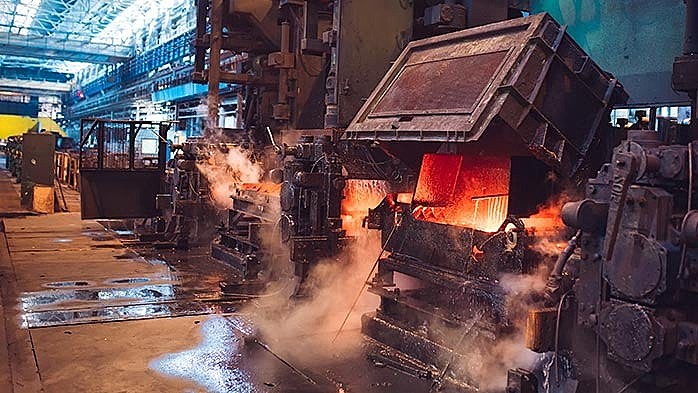
The Košice steelworks is a vital industrial asset in eastern Slovakia, currently maintaining an annual production capacity of 4.5 million tons across three coal-reliant blast furnaces. By proposing an EAF conversion, Nippon Steel intends to replace a significant portion of this emissions-heavy basic oxygen furnace (BOF) process. Consequently, the upgrade will align the operation with tightening environmental mandates. EAF technology relies heavily on electricity and recycled steel scrap, which drastically minimizes direct carbon dioxide output compared to conventional blast furnace operations.

Strategic Positioning in a CBAM-Regulated Europe
Europe is undergoing a rapid regulatory shift driven by the European Union’s Carbon Border Adjustment Mechanism (CBAM) alongside strict regional tariffs and safeguards. To remain competitive, international steelmakers must operate as direct regional insiders rather than relying on heavy import volumes. Nippon Steel noted that this direct management shift allows it to capture growing intra-regional demand. By modernizing the site, the corporation secures an efficient manufacturing hub to shield its European business from rising cross-border carbon penalties.
Labor and Feedstock Dynamics of EAF Upgrades
While the capital injection guarantees the long-term relevance of the facility, it introduces distinct structural shifts to the local industry. EAF operations typically require significantly fewer labor hours to match the volume output of conventional mills, which could alter regional employment dynamics. Furthermore, the technological shift will redirect procurement needs away from metallurgical coal and iron ore. Instead, the plant will require substantial volumes of premium ferrous scrap and reliable grid electricity to power its future melt shop operations.
Market Impact
○ Impacted Metals: Carbon steel, low-carbon EAF steel, hot-rolled coil, cold-rolled coil, heavy melting steel scrap
○ Direction: Bullish
○ Time Horizon: Medium-term
○ Affected Industries: Automotive manufacturing, European steel processing, industrial recycling, scrap metal procurement
○ Related Price Reports: Steel Weekly Price Report
○ Watch Item: Monitor the official timeline and capacity scale of the EAF approvals from Slovakian environmental regulators.
SuperMetalPrice Commentary:
Nippon Steel’s fast track toward EAF technology in Slovakia shows that major global steelmakers view CBAM compliance as an immediate commercial priority rather than a distant goal. By pivoting away from coal-based blast furnaces in Central Europe, NSC is protecting its market share against strict regional trade barriers. Procurement managers should anticipate a tightening regional marketplace for high-grade ferrous scrap as this and other European mills steadily transition their melt shops toward recycled feedstocks.

Leave a Reply
You must be logged in to post a comment.