


Nonferrous Metals Volatility Rises as Geopolitical Tensions Impact Supply
Nonferrous metals volatility has intensified across global markets in recent years. Market participants now monitor geopolitical risks and supply disruptions closely.
According to Joel Fogel, executive vice president at Cohen, volatility remains a defining feature of nonferrous metals trading. However, recent geopolitical developments have increased price swings.
The latest tension involves the ongoing conflict between United States and Israel against Iran. The conflict has already disrupted shipping routes near the Strait of Hormuz. This narrow corridor connects the Persian Gulf to the open ocean.
As a result, metals traders now evaluate potential supply risks for aluminum and other industrial metals.
Aluminum Supply Risks Increase Across the Middle East
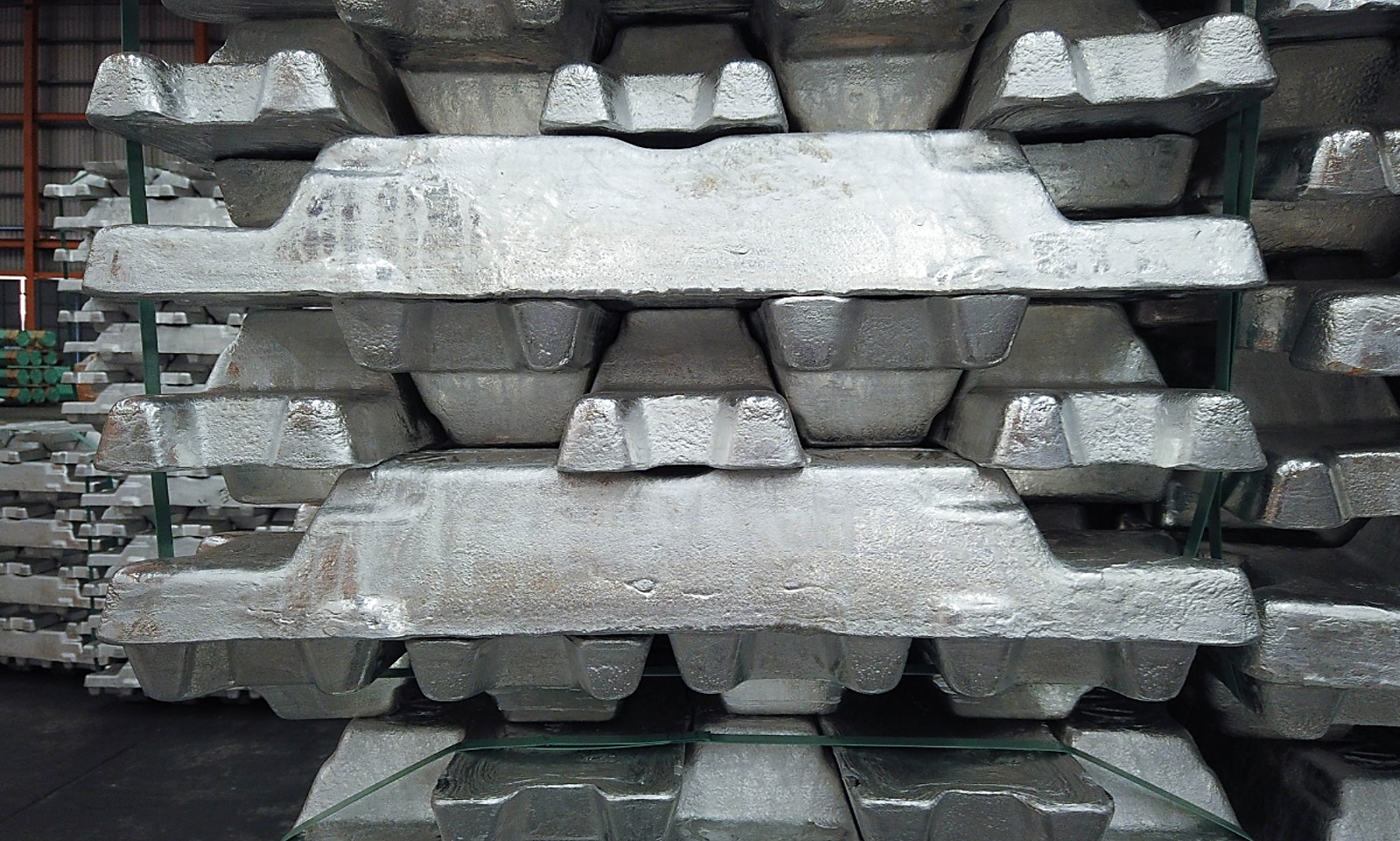
The Middle East plays a major role in global aluminum production. The Gulf Cooperation Council produced about 6.2 million tons of primary aluminum last year. This output makes the region the second-largest supplier outside China.
Analyst Ed Meir from Marex estimates that the Middle East accounts for roughly 10 percent of global aluminum supply. Therefore, regional disruptions quickly affect international markets.
Producers have already responded to energy and logistics constraints. Qatalum reduced operations to about 60 percent capacity due to limited gas supply. Meanwhile, both Qatalum and Aluminum Bahrain declared force majeure following the shipping disruptions.
These developments raise concerns for European buyers. Supply pressure could intensify as Mozal Aluminum in South Africa prepares to halt operations at the end of March.
Nonferrous Metals Volatility Drives Aluminum and Copper Market Movements
Nonferrous metals volatility has already influenced global price trends. Aluminum prices on the London Metal Exchange continue to climb alongside the U.S. Midwest premium.
Trade policies have also contributed to price pressure. The U.S. Department of Commerce maintains 50 percent Section 232 tariffs on aluminum imports. These tariffs increase costs for buyers in the U.S. Midwest region.
Analyst John Gross noted that Middle East tensions pushed aluminum prices up 6 cents during the week of March 9. The metal reached a four-year high near $1.60 per pound. Some analysts now expect prices to test $1.75, a level seen in 2022.
Meanwhile, copper markets show mixed signals. Spot copper prices dropped on the COMEX despite rising inventories. However, Fogel says global demand for copper continues to improve, and market spreads have tightened.
SuperMetalPrice Commentary:
Nonferrous metals volatility now reflects the growing link between geopolitics and industrial metal supply chains. The Middle East controls a meaningful share of global aluminum production, which magnifies regional disruptions. If shipping routes remain unstable, aluminum premiums and freight costs will likely rise further. Meanwhile, stronger copper demand could offset some volatility across the broader nonferrous metals complex.



Leave a Reply
You must be logged in to post a comment.