


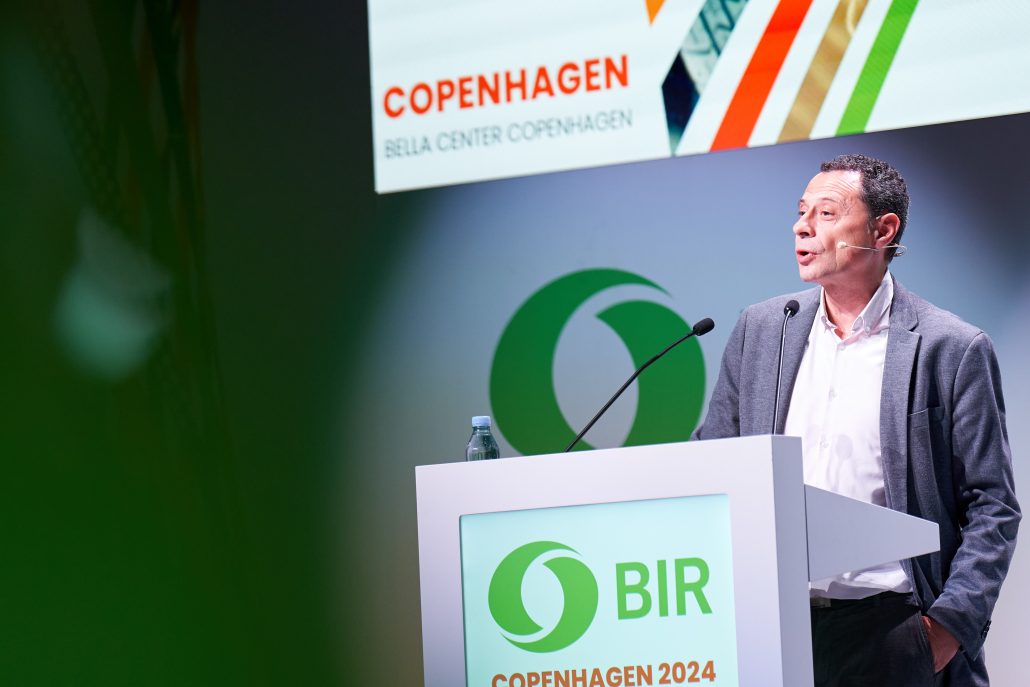
Recycled steel is rapidly transforming from a secondary commodity into a primary strategic driver for the global steel industry’s transition to sustainability. Industry leaders gathering at the 2026 Bureau of International Recycling (BIR) World Recycling Convention in Gothenburg, Sweden, highlighted how the convergence of electric arc furnace (EAF) production, artificial intelligence, and evolving supply chain demands is redefining the role of ferrous scrap in the global market.
The Technological Shift in Recycling
Applied futurist Tom Cheesewright noted that while geopolitical disruptions and trade barriers create market noise, the structural shift toward EAF production is persistent. This transition demands higher quality and more precise scrap inputs. AI is already playing a pivotal role in this evolution, with major producers like ArcelorMittal utilizing data analytics to accelerate the development of new steel formulations and optimize the use of lower-quality scrap.
Beyond manufacturing, the recycling industry is looking toward robotics to manage labor-intensive and hazardous sorting processes. Experts suggest that as humanoid robotics become more cost-effective, they will be seamlessly integrated into existing scrap yard infrastructures, significantly improving operational safety and efficiency.
Evolving Global Trade and Consumption
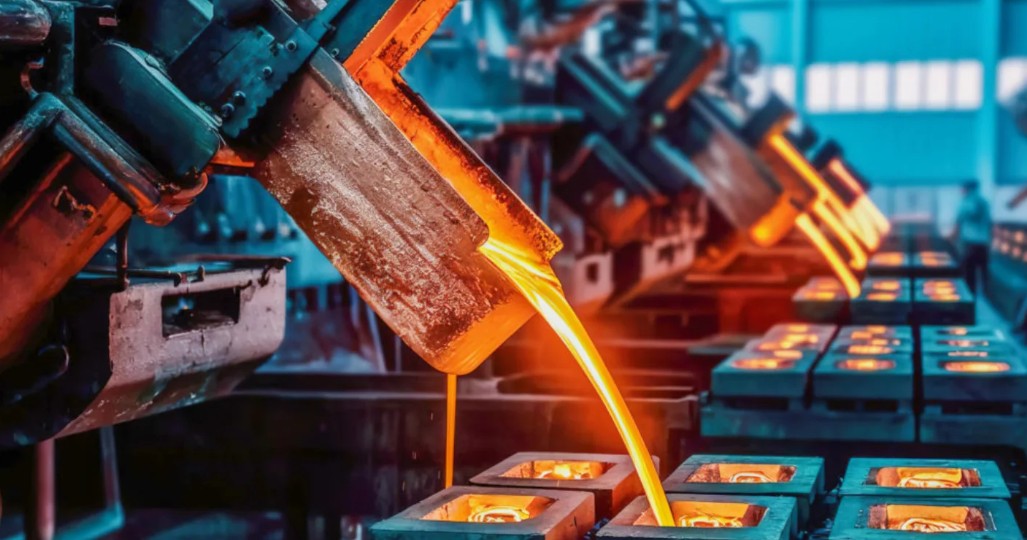
Despite a slight decline in overall global steel production, the volume of steel produced via the EAF route continues to grow, signaling a long-term trend toward decarbonization. Statistical data from the BIR confirms that approximately 630 million metric tons of recycled steel are consumed annually, preventing nearly 950 million metric tons of carbon emissions.
Market dynamics remain varied across regions. China maintains its lead as the largest consumer of recycled steel, while Turkey remains the primary importer and the EU the top exporter. India is emerging as a critical growth engine, significantly expanding its direct reduced iron (DRI) production and domestic scrap consumption to fuel its massive infrastructure development.

Market Impact
○ Impacted Metals: Ferrous scrap, electric arc furnace steel, electrical steel
○ Direction: Bullish
○ Time Horizon: Medium-term
○ Affected Industries: Steel manufacturing, automotive, infrastructure, construction, recycling
○ Related Price Reports: Steel Scrap Weekly Price Report, Stainless Steel Weekly Price Report
○ Watch Item: Monitor the adoption rates of AI and robotics in scrap processing facilities as a primary indicator of future supply chain efficiency and quality control.
SuperMetalPrice Commentary:
The industry is moving past the era where scrap was merely a waste product; it is now the essential feedstock for the “green steel” revolution. As EAF capacity expands globally, the ability of recyclers to leverage AI for superior sorting and quality consistency will determine who leads the market. The structural pivot toward scrap-based production is non-negotiable for firms facing strict carbon mandates.


Leave a Reply
You must be logged in to post a comment.