


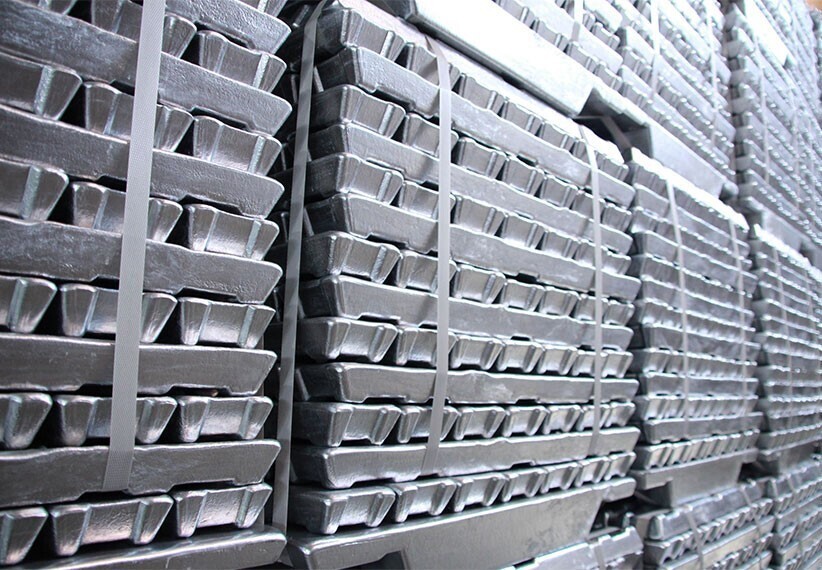
The newly formed Secondary Aluminum Coalition for America (SACA) has launched an organized lobbying effort in Washington, D.C., to promote secondary aluminum production as the most efficient strategy for strengthening U.S. industrial supply chains. Representing a diverse cross-section of the domestic industry—including scrap collectors, traders, remelt facilities, extruders, and fabricators—the coalition aims to demonstrate that processing and remelting scrap is the fastest, most cost-effective path to expanding domestic aluminum capacity compared to primary smelting.
Strengthening the Domestic Aluminum Supply Chain
SACA’s founding members include industry leaders like Metal Exchange, Shapiro Metals, and Tri-Arrows Aluminum. These companies maintain operations across 17 states. The coalition argues that focusing on secondary aluminum will quickly bolster U.S. industrial capabilities. This approach supports high-value jobs and increases supply chain resilience. According to SACA, the secondary sector accounts for over 97 percent of U.S. aluminum industry employment. This makes the sector a critical pillar for national economic security.
The Washington fly-in event provides a platform for SACA to engage with the White House, the Department of Energy, and the USTR. The group positions secondary production as a necessary supplement to primary smelting. They hope to secure policy support to facilitate structural reforms. These reforms aim to ensure more American-generated scrap is transformed into domestic metal rather than exported.

Policy Advocacy and Market Divergence
The formation of SACA comes amid heated debates regarding trade policy and the potential restriction of aluminum scrap exports. While the coalition advocates for strengthening domestic supply, it enters a landscape where other major industry stakeholders, including Norsk Hydro USA and the Recycled Materials Association (ReMA), have voiced reservations about government-imposed export restrictions. As SACA continues its meetings with congressional leaders from states like Tennessee, Michigan, and Texas, the industry is closely watching how these advocacy efforts will interact with proposed legislation currently under review by the U.S. International Trade Commission (USITC).
Market Impact
○ Impacted Metals: Secondary Aluminum, Aluminum Scrap
○ Direction: Mixed
○ Time Horizon: Medium-term
○ Affected Industries: Aluminum Manufacturing, Automotive, Construction, Packaging
○ Related Price Reports: Aluminum Weekly Price Report
○ Watch Item: Monitor whether SACA successfully influences upcoming legislative discussions regarding U.S. aluminum scrap export restrictions.
SuperMetalPrice Commentary:
The emergence of SACA reflects a broader strategic pivot toward localized, circular supply chains in the U.S. metals sector. By highlighting the speed at which secondary aluminum capacity can be deployed, the coalition is effectively challenging traditional, capital-intensive primary smelting models.
For market participants, the key takeaway is the potential for policy-driven shifts in scrap flow. Should the coalition’s lobbying lead to tighter domestic retention of aluminum scrap, we may see increased price volatility for regional feedstocks and potential supply-side pressures for manufacturers reliant on free-market scrap access.





Leave a Reply
You must be logged in to post a comment.