


Indigenous Group Challenges Teck-Anglo Merger Over Lack of Consultation
The proposed Teck-Anglo merger faces strong opposition from the Osoyoos Indian Band, which vows legal and political action unless properly consulted. At the heart of the conflict is Teck’s lead-zinc smelter in Trail, British Columbia—located on Indigenous territory with a long history of environmental concerns. Chief Clarence Louie condemned the lack of meaningful dialogue, calling the smelter expansion without First Nations involvement “unconscionable.”
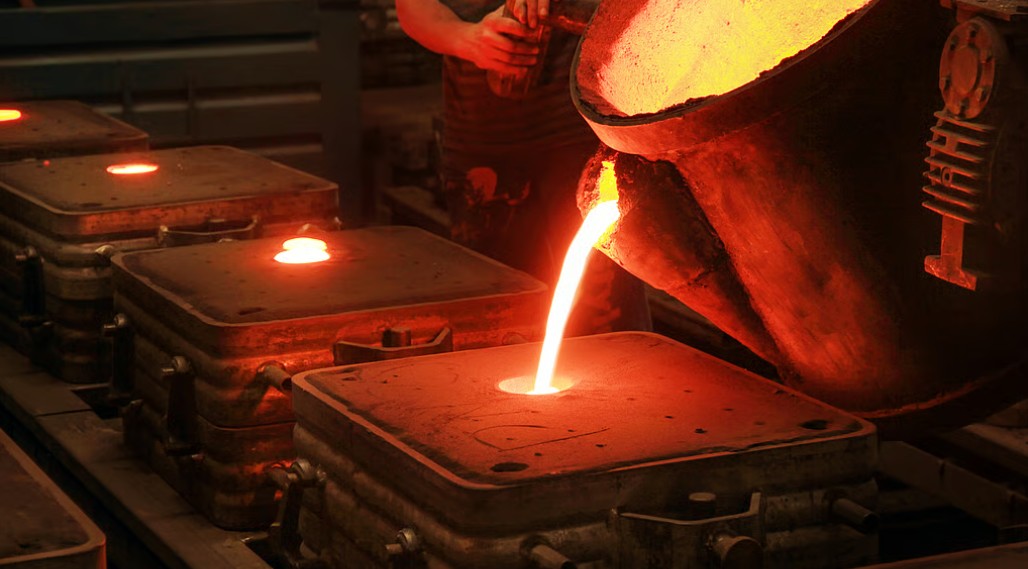
Teck and Anglo American plan to invest up to C$750 million ($544 million) in the Trail facility to expand copper processing and strategic metals output, including germanium. The Osoyoos Band argues these changes require “free, prior, and informed consent” under the UN Declaration on the Rights of Indigenous Peoples—now legally adopted by both British Columbia and the federal government.
Although Teck claims to engage Indigenous communities across Canada, Chief Louie says no agreements exist for Trail operations, unlike other mine sites. He demands environmental consultation, cultural engagement, and revenue-sharing talks. The Band also urges Canada’s government to scrutinize the deal under the Investment Canada Act, which includes Indigenous and environmental considerations.
Teck-Anglo Merger Under Regulatory and Political Pressure
Canada’s Industry Minister, Mélanie Joly, stated that Teck and Anglo have not yet demonstrated sufficient benefit to the national economy. Under the Investment Canada Act’s “net benefit test,” the government can block foreign takeovers if they fail to align with Canadian interests, including Indigenous rights, environmental standards, and long-term competitiveness.
The proposed merger, valued at over $50 billion, includes plans to relocate the joint headquarters to Vancouver and promises C$4.5 billion in total Canadian investment. However, the lack of transparent Indigenous engagement could create regulatory delays or even legal battles. Osoyoos leadership says they are prepared to pursue court action if necessary to protect their land rights and environmental concerns.
Meanwhile, both companies claim they remain open to dialogue. Teck’s spokesperson reiterated a commitment to Indigenous partnership, stating that future investments tied to the merger will include meaningful engagement. Anglo American echoed this position, but Chief Louie remains skeptical until direct meetings occur.
SuperMetalPrice Commentary:
The Teck-Anglo merger spotlights a growing trend: Indigenous engagement is no longer a soft requirement—it’s a business risk. Mining firms must now treat consultation as core strategy, not compliance. The Osoyoos Indian Band’s challenge may set a precedent for future resource deals in Canada, especially as global investors increasingly evaluate ESG and Indigenous rights as part of long-term risk. Whether this merger proceeds as planned will depend not just on capital commitments, but on community legitimacy.

Leave a Reply
You must be logged in to post a comment.