


Titanium Exempt from US Tariffs, Yet Market Concerns Remain
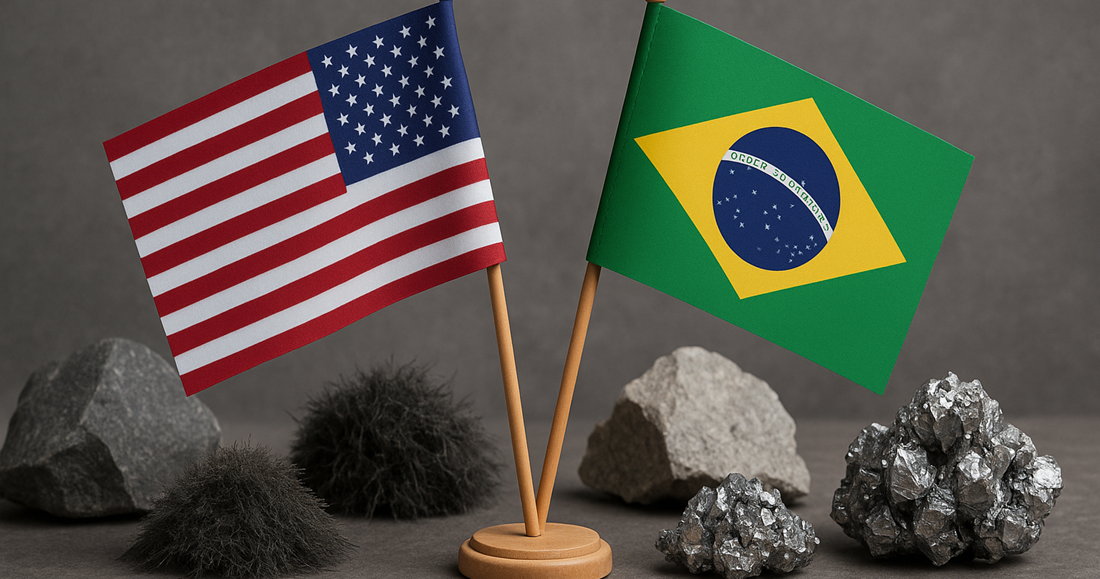
Titanium products, including scrap and ferro-titanium, were exempted from the latest US reciprocal tariffs issued on April 2. President Trump’s executive order, detailed in Annex II, excluded several nonferrous metals, sparing titanium from additional duties. This decision helped ease short-term fears across the aerospace and metals markets.
However, existing tariffs on titanium remain in place. These include a 60% duty on Chinese titanium sponge and 15% on unwrought titanium from Japan, Kazakhstan, and Saudi Arabia. A separate 20% tariff on Chinese titanium products, introduced in March, still applies. While EU and UK titanium scrap remain exempt, supply chain fears persist, particularly for vacuum-grade titanium used in aerospace-grade melting.
Aerospace Industry Faces Broader Tariff Fallout Despite Titanium Exemption
Despite the titanium exemption, aerospace supply chains remain vulnerable. Complex systems like jet engines and landing gear span borders and involve OEMs like Boeing, Airbus, and Rolls-Royce. Many of these parts include mixed-alloy materials, not clearly defined under current exemptions.
For example, CFM’s Leap-1A and 1B jet engines, powering Airbus and Boeing aircraft, rely on a US-French manufacturing network. Components like Safran’s landing gear for the 787 and GE turbine modules exported to Europe remain tariff-sensitive. As a result, OEMs are reviewing potential impacts, especially on aerospace exports involving titanium components.
Meanwhile, uncertainty lingers around composite materials and hybrid alloys, which could face indirect restrictions depending on how customs authorities interpret classifications. These ambiguities heighten the risk of supply chain disruptions over time.
SuperMetalPrice Commentary:
While titanium avoided the latest round of US reciprocal tariffs, the global aerospace sector remains on edge. The material’s strategic exemption suggests policymakers recognize its critical role. However, new tariffs from China and unresolved cross-border classifications continue to complicate sourcing strategies. For now, titanium flows remain stable, but the broader trade environment may shift quickly as retaliatory measures expand.





Leave a Reply
You must be logged in to post a comment.