


Impact of Trump’s Copper Tariffs on US Production and Market Dynamics
President Donald Trump announced a 50% tariff on copper imports, effective August 1. This move aims to stimulate domestic mining and smelting industries. Copper plays a critical role in electric vehicles, military equipment, semiconductors, and consumer goods. However, the tariffs lack clear definitions on product coverage or possible exemptions for key suppliers like Chile and Canada. Even with potential concessions, copper imports will face much higher tariffs than before 2017.
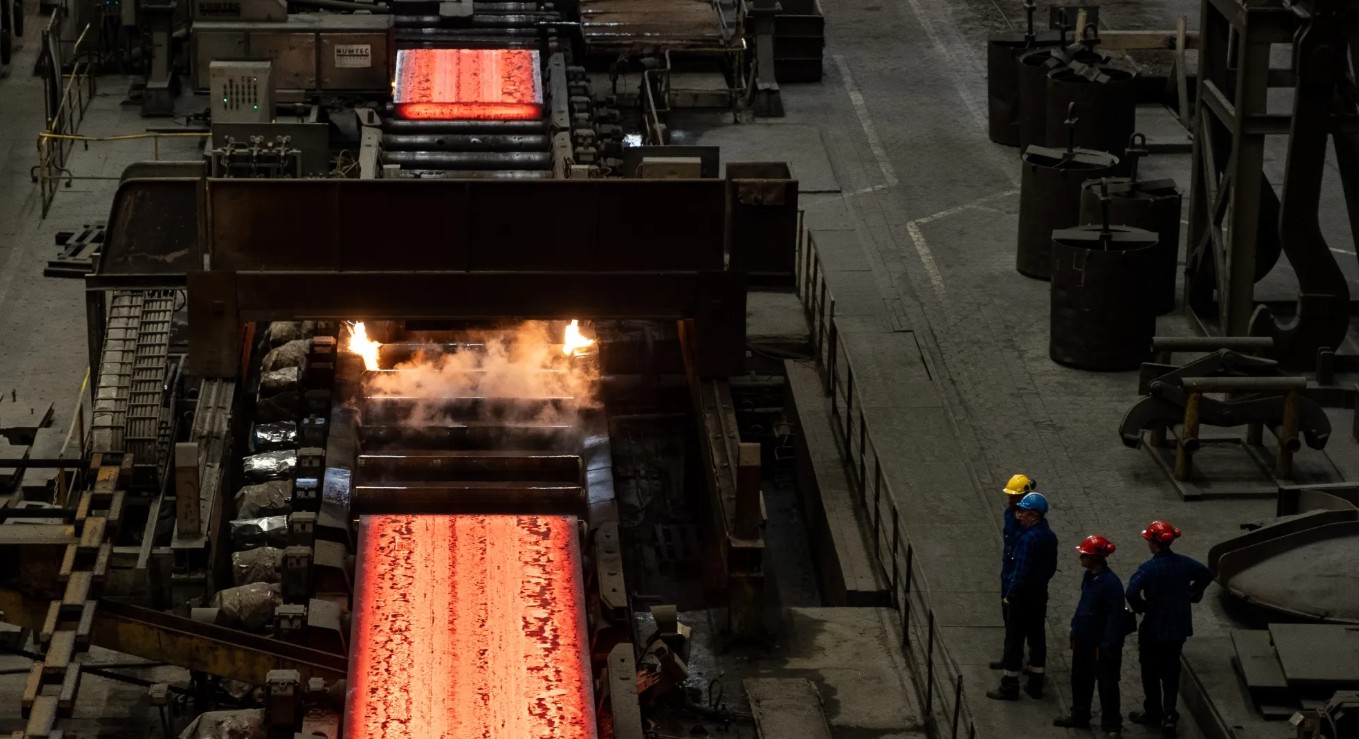
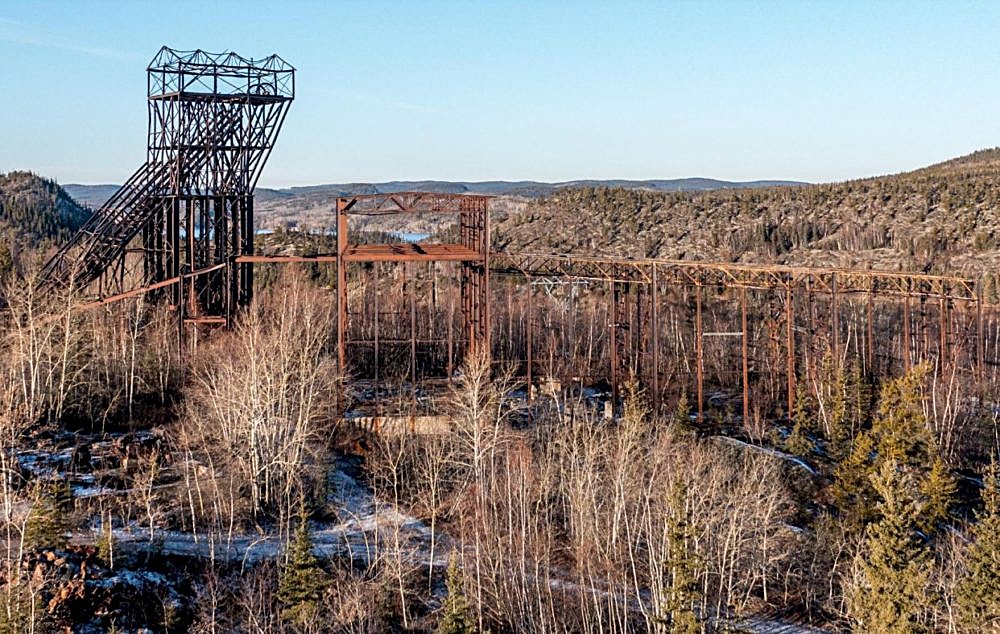
The US produces just over half of its copper needs and imported 810,000 metric tons of refined copper in 2024. Although miners such as Freeport McMoRan and Rio Tinto may increase output temporarily, this boost will not be sustainable. Restarting idle smelters like Grupo Mexico’s Asarco plant in Arizona faces technical and financial hurdles. Additionally, major new mines like Rio Tinto’s Resolution Copper are delayed by legal challenges, despite recent Supreme Court rulings favoring development. Consequently, meaningful increases in domestic copper supply remain years away.
How Copper Tariffs Will Influence Prices and Industry Costs
The US will continue to rely heavily on copper imports. Buyers can either absorb tariff costs or reduce production, affecting sectors like automotive, construction, and electronics. As a result, domestic copper prices will rise to match imported metal prices plus tariffs. This price increase may lead to inflation if passed to consumers or reduced investment if companies absorb the cost.
The tariffs will also impact global copper prices and trade flows. In 2025, the US imported approximately 881,000 tons in the first half of the year, surpassing the estimated need of 441,000 tons. This stockpiling means imports will likely drop once tariffs take effect and inventories dwindle. Analysts expect this reduced demand to push global copper prices down, reversing recent upward trends. Currently, US copper trades at a 26% premium to London prices, below the 50% tariff level, reflecting market uncertainty. When details on tariff scope emerge and stocks deplete, prices will likely increase to reflect the full tariff.
SuperMetalPrice Commentary:
Trump’s copper tariffs reflect a protectionist policy with complex trade-offs. While intended to boost domestic mining and manufacturing, the tariffs offer limited short-term supply benefits. The US will remain import-dependent for years, causing higher costs for manufacturers and consumers. This policy risks fueling inflation or suppressing investment in key sectors like electric vehicles and construction. Market participants should watch how tariff enforcement unfolds and how industries respond to rising copper prices. Ultimately, these tariffs may alter global copper flows and pricing dynamics, with lasting consequences for the metals market.


Leave a Reply
You must be logged in to post a comment.