


The global antimony market will grow from $1.12 billion in 2025 to $1.85 billion by 2034. This represents a compound annual growth rate (CAGR) of 5.7%. Geopolitical trade restrictions and rising defense targets are reshaping supply chain strategies. Industrial applications across solar glass and electronics are also expanding rapidly. Major producing nations are tightening export controls. Consequently, industrial buyers and defense contractors face growing supply friction and pricing pressures.
Geopolitical Trade Controls and Defense Demand Accelerate Supply Reorientation
China continues to restrict exports of antimony, germanium, and gallium. These controls have heightened supply security concerns across Western markets. Antimony is a critical input for defense applications. It is essential for munitions, night-vision optics, infrared sensors, and specialized alloys. Government stockpiling mandates now focus heavily on securing antimony. Procurement authorities like the U.S. Defense Logistics Agency have raised acquisition targets.
Supply uncertainty is driving capital toward domestic mining and refining hubs outside Asia. However, opening new mines or greenfield smelters requires lengthy permitting and high capital investment. Environmental compliance also presents challenges. Therefore, near-term supply tightness will persist across major global trading hubs.
Solar PV and Energy Transition Demand Broaden Industrial Applications
Energy transition technologies are driving secondary demand growth for high-purity antimony. In the photovoltaic solar sector, antimony trioxide is a vital fining agent. It clarifies solar glass structures and maximizes energy transmission efficiency. The global expansion of solar module capacity creates steady industrial demand.
Conventional energy storage and chemical processing segments also remain key consumption drivers. Antimony acts as a crucial hardening alloy in lead-acid battery grid structures. These batteries power automotive, backup, and telecom infrastructure. Furthermore, antimony trioxide remains the top synergistic flame retardant in engineering plastics and electronics.
Secondary Sourcing, Recycling, and Strategic Long-Term Offtakes
Procurement managers are shifting away from spot purchasing to mitigate geographical risk. Buyers are securing long-term off-take agreements with producers in Australia, North America, and Europe. Industrial end-users are also investing in closed-loop recycling and scrap recovery systems. Reclaiming antimony from spent batteries, slag, and electronic waste offers a critical secondary buffer.

Market Impact
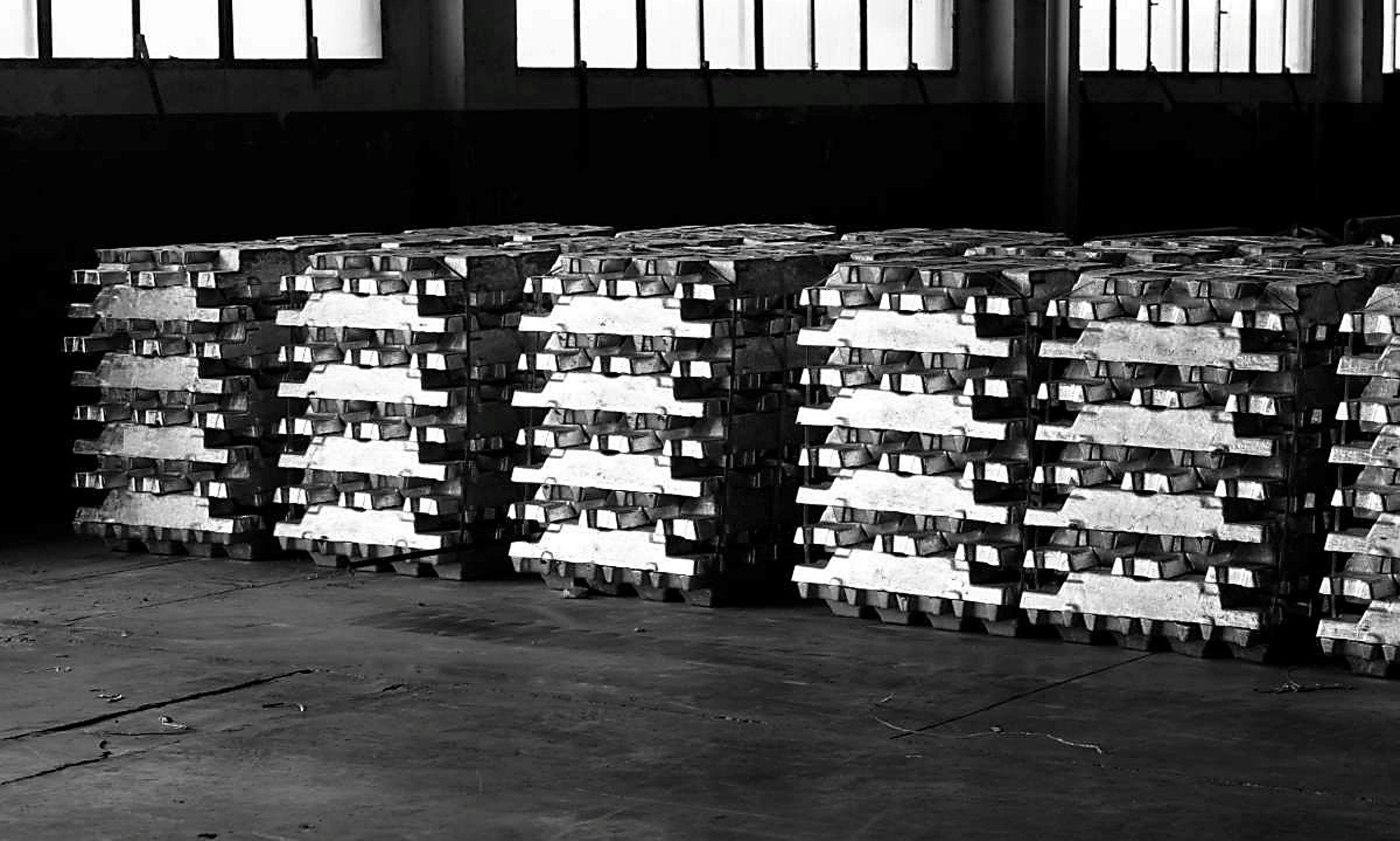
○ Impacted Metals: Antimony Ingot (99.65%, 99.85%), Antimony Trioxide (ATO), Antimony-Lead Alloys (Hard Lead), Antimony Scrap
○ Direction: Bullish
○ Time Horizon: 2026–2034
○ Affected Industries: Defense, Aerospace, Solar Energy, Energy Storage, Automotive, Electronics, Flame Retardants, Specialty Chemicals
○ Related Price Reports: Minor Metals Weekly Price Report
○ Watch Item: Western government defense stockpiling mandates and capital allocations toward non-Chinese antimony mining and refining projects.
SuperMetalPrice Commentary:
The projected expansion of the global antimony market to $1.85 billion by 2034 reflects a permanent structural shift from low-cost just-in-time sourcing to geopolitical risk management and strategic supply assurance. With China tightening export controls on critical minor metals, Western industrial buyers and defense contractors can no longer rely on unconstrained spot market availability. This fundamental realignment is forcing price benchmarks upward to incentivize greenfield mining, secondary recovery, and regional refining infrastructure.
For procurement executives and supply chain strategists, managing antimony exposure now requires direct engagement with emerging development projects and aggressive recycling initiatives. While alternative supply streams in North America and Australia are gathering momentum, multi-year development timelines mean market balances will remain vulnerable to policy shocks, trade friction, and sudden demand spikes from the defense and solar sectors through the mid-2020s.






Leave a Reply
You must be logged in to post a comment.