


China’s EAF Steel Production Falls Short of Climate Targets
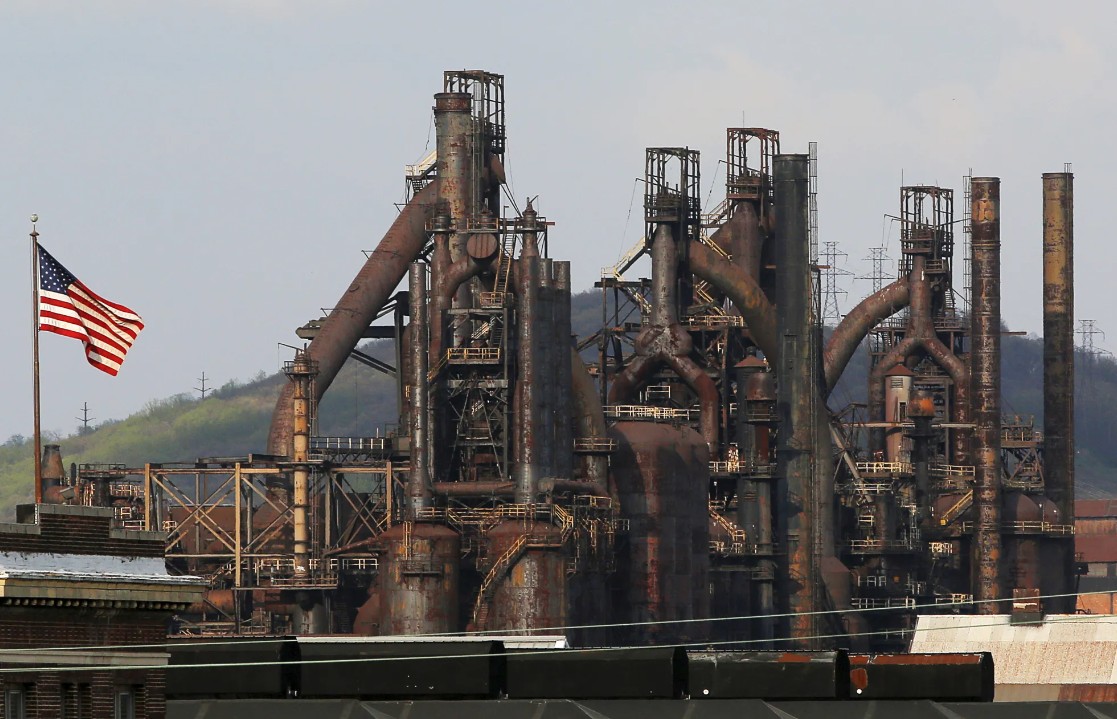
China needs to reduce blast furnace-basic oxygen furnace (BF-BOF) steel production by over 90 million tons in 2025 to meet climate goals. The Centre for Research on Energy and Clean Air warns that failing to reach a 15% electric arc furnace (EAF) steel share this year could increase CO2 emissions by 160 million tons. This amount equals the entire EU steel sector’s carbon footprint. However, China’s EAF share remains around 10%, unchanged for over a decade. Meanwhile, global averages far outpace China’s EAF utilization.
China Lags Global Competitors in EAF Steel Production
Globally, about 30% of steel is produced in EAFs. The U.S. leads with 71.8%, followed by India at 58.8%, and Japan at 26.2%. In contrast, China’s EAF utilization dropped from 58.9% in 2021 to 48.6% in early 2025. Simultaneously, blast furnace utilization rose from 85.6% to 88.6%. Despite green steel policies, scrap-based EAF manufacturers struggle with high electricity costs, inconsistent raw materials, and financial losses. This situation has led to widespread plant closures and at least one bankruptcy in 2025.
Challenges and Prospects for China’s Steel Industry Transition
China recently liberalized scrap imports, yet imports halved last year, worsening EAF profitability. Analyst Belinda Shepe emphasizes that a reliable strategy to reduce high-emission BF-BOF production and curb overcapacity is vital. Such moves would address structural issues and ease international tensions over steel supply and emissions. Notably, in June 2025, emissions from Chinese steelmakers rose 17.3% compared to the previous year, highlighting the urgency of reform.
SuperMetalPrice Commentary:
China’s steel sector faces a critical crossroads in adopting electric arc furnace technology. The country’s low EAF share undermines its climate goals and global competitiveness. High energy costs and raw material instability restrict EAF growth despite policy support. To meet international carbon reduction commitments, China must aggressively reduce blast furnace output while improving scrap supply chains and grid reliability. Global markets watch closely as China’s transition impacts commodity pricing and supply security. Expect stronger policy enforcement and innovation investments to accelerate China’s green steel transformation in the near future.




Leave a Reply
You must be logged in to post a comment.