


EU Aluminum Scrap Export Restrictions Move Forward
The European Commission advanced plans for EU aluminum scrap export restrictions after a key November speech in Brussels. EC Commissioner for Trade and Economic Security Maroš Šefčovič confirmed the launch of preparatory work on a measure designed to curb ongoing “aluminum scrap leakage.” He stressed a balanced approach that protects industry needs while supporting Europe’s climate goals.
The commissioner addressed European Aluminium members and outlined a policy vision that preserves trade flows while strengthening local access to secondary aluminum. He stated that the Commission aims to adopt the final measure by spring 2026, giving producers, recyclers, and downstream manufacturers a stable transition timeline.
Why EU Aluminum Scrap Export Restrictions Matter for Supply Security
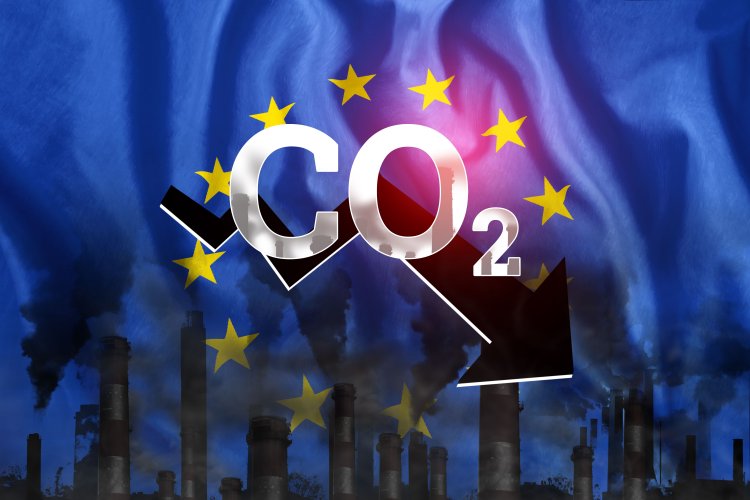
Industry leaders view EU aluminum scrap export restrictions as a critical step for decarbonization. The EC argues that European manufacturers need reliable quantities of recycled aluminum at competitive prices to meet rising climate and circular economy demands. As a result, the planned framework will focus on securing internal supply while honoring EU trade commitments.
However, not all stakeholders agree. German trade groups VDM and BDSV criticized potential export limits in a September statement. They warned that restrictions could worsen already strained sales conditions for recycling companies in Germany. Their response highlights a growing divide between upstream recyclers and downstream manufacturers over scrap allocation.
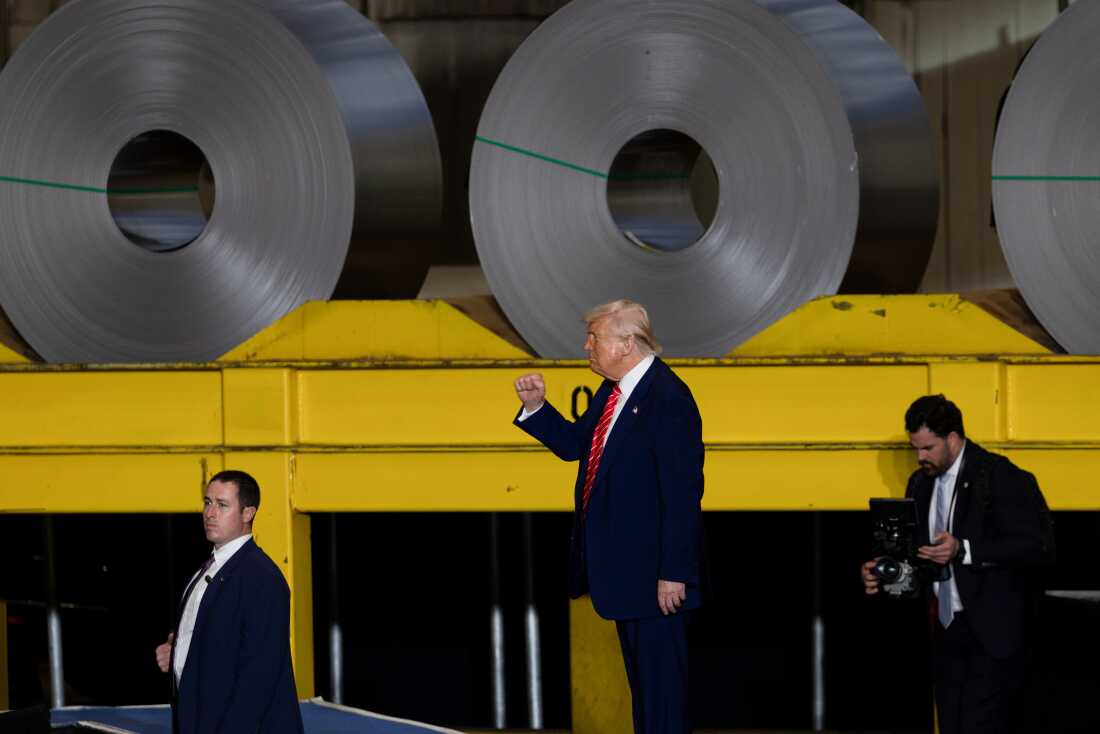
Meanwhile, European Aluminium welcomed the EC announcement. Director General Paul Voss praised the move as decisive action to protect strategic materials amid shifting global trade conditions. He noted that U.S. trade barriers, including the doubling of Section 232 aluminum tariffs to 50 percent, intensify competition for high-quality scrap.
Industry Consultations and Policy Timeline
The Commission will open a public consultation and “call for evidence” by year-end. This process gives recyclers, traders, producers, and end-users an opportunity to influence the final structure of the proposed restrictions. The EC intends to integrate feedback from all segments of the aluminum value chain to deliver a politically durable and economically balanced measure.
As discussions progress, the policy debate signals a broader shift in Europe’s strategy for critical materials. The EU continues to tighten its focus on resource security, domestic recycling, and strategic autonomy across metals markets.
SuperMetalPrice Commentary:
The push for EU aluminum scrap export restrictions shows Europe’s accelerating pivot toward resource sovereignty. Securing reliable recycled aluminum supply will support energy-intensive manufacturers as they navigate rising climate standards and turbulent global trade dynamics. However, policymakers must balance circular economy ambitions with the financial realities facing scrap processors. A poorly calibrated measure could distort prices and strain liquidity in an already stressed recycling sector. Close industry consultation will determine whether this strategy strengthens European competitiveness—or deepens the divide between upstream and downstream players.



Leave a Reply
You must be logged in to post a comment.