


Germany Steel Summit 2025 to Address Industry Crisis
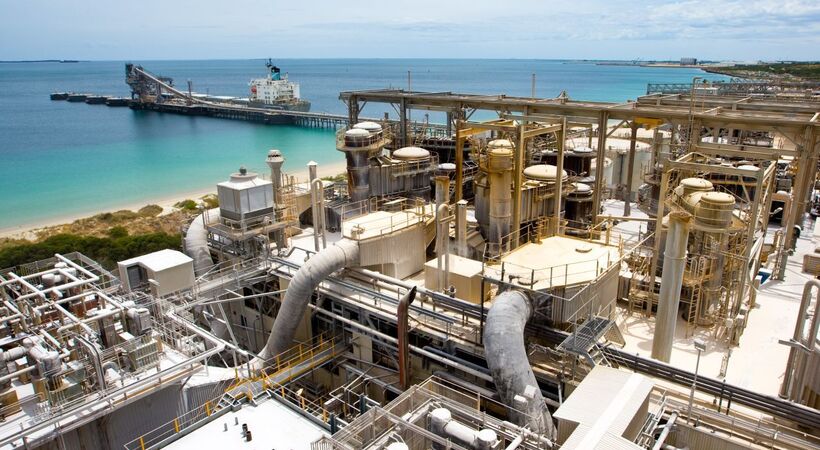
Germany is convening a steel summit on November 6, 2025, to tackle the ongoing crisis in its metallurgical sector. Chancellor Friedrich Merz invited top government officials, including Vice Chancellor Lars Klingbeil, Economy Minister Katerina Reiche, and Labor Minister Berbel Bass. Leaders of major steel companies and state prime ministers will also attend. The meeting aims to protect jobs, strengthen domestic production, and ensure Germany’s steel sector remains competitive.
Rising energy costs, low-priced imports from China, and high tariffs on US exports have reduced the profitability of German steel producers. Additionally, the transition to green steel adds financial pressure, threatening industry sustainability. The government emphasizes that preserving domestic steel is critical to reducing import dependence and supporting EU energy security.
Key Discussions at the Steel Summit
The summit will focus on energy pricing, trade regulations, and sustainability initiatives. Measures under consideration include subsidized industrial electricity tariffs and EU protective policies. The European Commission plans to cut duty-free steel import quotas by nearly half while raising tariffs above the quota to 50%. These steps aim to shield domestic producers and stabilize the sector.
German steel production fell sharply in the first three quarters of 2025. Overall output declined by 10.7% year-on-year to 25.38 million tons. Oxygen converter plants reduced production by 13.3%, while electric arc furnaces fell 4.6%. The annual total is projected below 40 million tons for the fourth consecutive year, signaling a sector under recession-level pressure.
SuperMetalPrice Commentary:
The German steel summit demonstrates the government’s urgent focus on sustaining national metallurgical capacity amid global pressures. Protective measures, energy subsidies, and green transition support are likely to boost domestic competitiveness. However, the sector must balance cost management with decarbonization demands to remain viable in the long term.


Leave a Reply
You must be logged in to post a comment.