


Global energy-related carbon emissions hit a new all-time high of 37.8 Gt in 2024, reflecting a 0.8% increase compared to the previous year, according to the latest report from the International Energy Agency (IEA).
Carbon Emissions from Energy Sources and Industrial Processes
In 2024, carbon emissions from fuel combustion rose by about 1%, or 357 million tons. However, emissions from industrial processes dropped by 2.3%, or 62 million tons. The growth in emissions remained lower than global GDP growth, which reached 3.2% in 2024. This trend of decoupling emissions growth from economic expansion, which had been disrupted in 2021, resumed.
Regional Emissions Trends in 2024
Regional disparities in emissions trends emerged in 2024. Energy-related carbon emissions increased by 1.5% year-on-year in emerging and developing economies. In China, emissions grew by about 0.4%, driven by factors like record heatwaves, economic stimulus measures, industrial growth, and recovery in the residential and service sectors. However, China’s clean energy initiatives, particularly in wind and solar, helped mitigate the environmental impact.
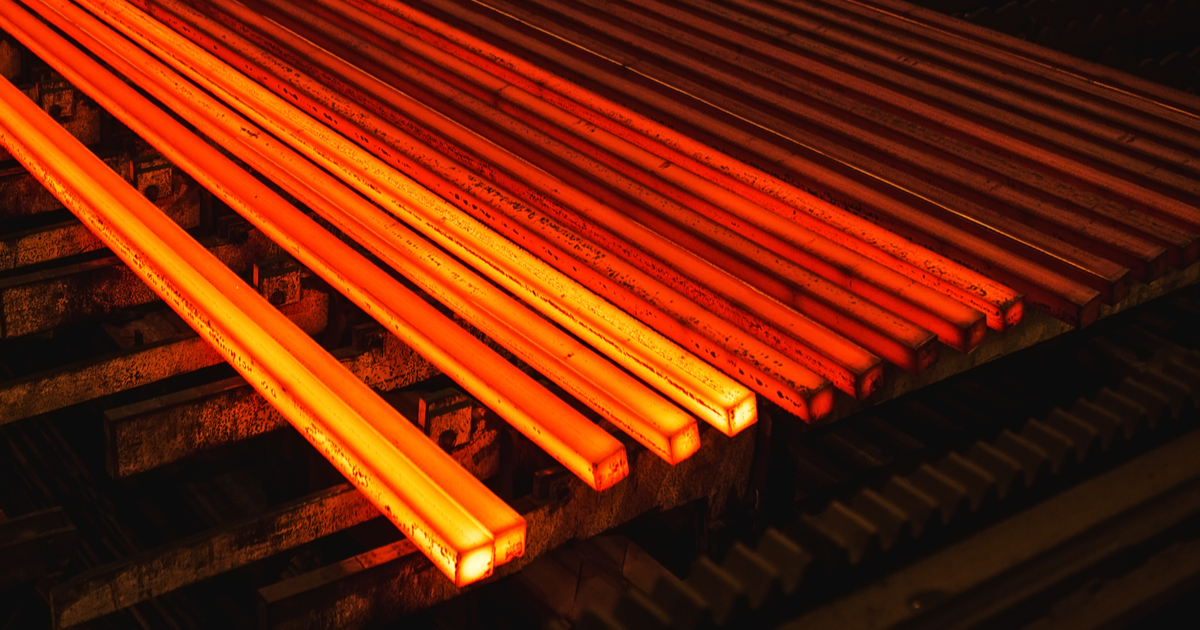
Furthermore, China is expanding its emissions trading system to cover industries such as steel, cement, and aluminum. This move will require 1,500 companies to buy carbon credits, bringing the total volume of covered emissions to 8 billion tons, which represents over 60% of the country’s total emissions.
A Global Challenge: Balancing Economic Growth and Emissions Reduction
The global push toward sustainable energy continues despite rising emissions. In developed nations like the EU, Japan, and the USA, emissions have decreased, counterbalancing the increases in developing countries. The challenge remains to balance economic growth with the need to reduce carbon emissions. As countries and industries refine their strategies, they must focus on further efforts to decouple emissions from economic development.
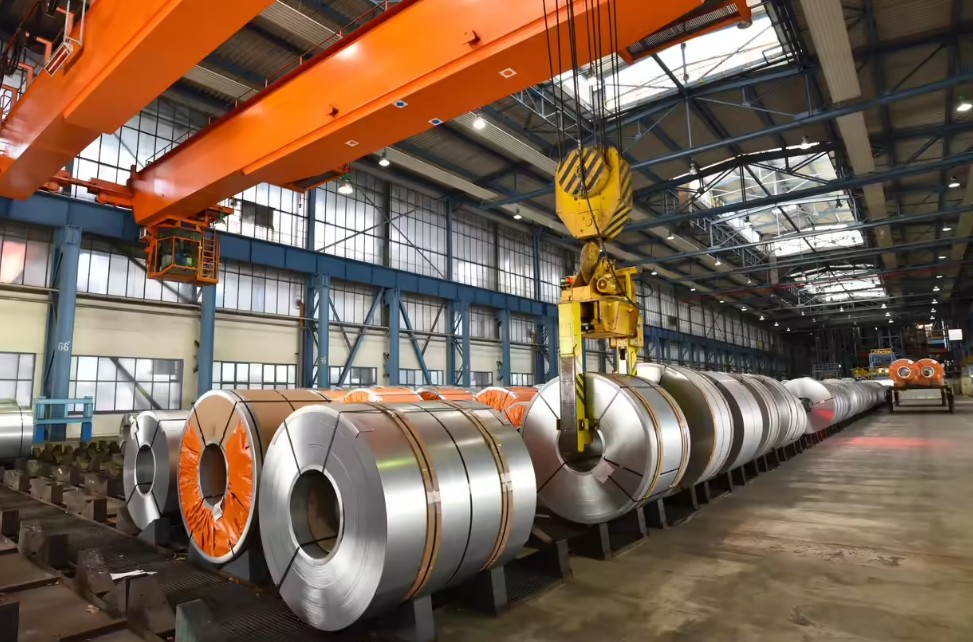
At SuperMetalPrice, we monitor how global emissions impact industries like steel, cement, and aluminum. As demand for sustainable energy grows, so does the need for key metals such as aluminum and steel to support cleaner energy infrastructure.





Leave a Reply
You must be logged in to post a comment.