


Global commodity trade faces unprecedented friction. Shipping crises in the Strait of Hormuz, the Red Sea, and the Black Sea disrupt dry bulk movements. Middle East tensions drove a sharp contraction in dry bulk exports. Military escalations and maritime attacks forced long detours. These issues inflated freight rates and delayed raw material deliveries.
Strait of Hormuz Disruptions Strangle Dry Bulk Flows
Ocean-going dry bulk exports west of the Strait of Hormuz plunged 87.5 percent year on year. This drop occurred over the 22 weeks following regional hostilities, per industry shipping data. The corridor is a vital export artery for limestone, fertilizers, and raw materials. It saw minimal bulker transits. Selective cargo movements continued on an ad-hoc basis. However, stricter enforcement and security risks heavily restricted normal commercial shipping.
Red Sea Detours and Black Sea Drone Threats Compound Bottlenecks
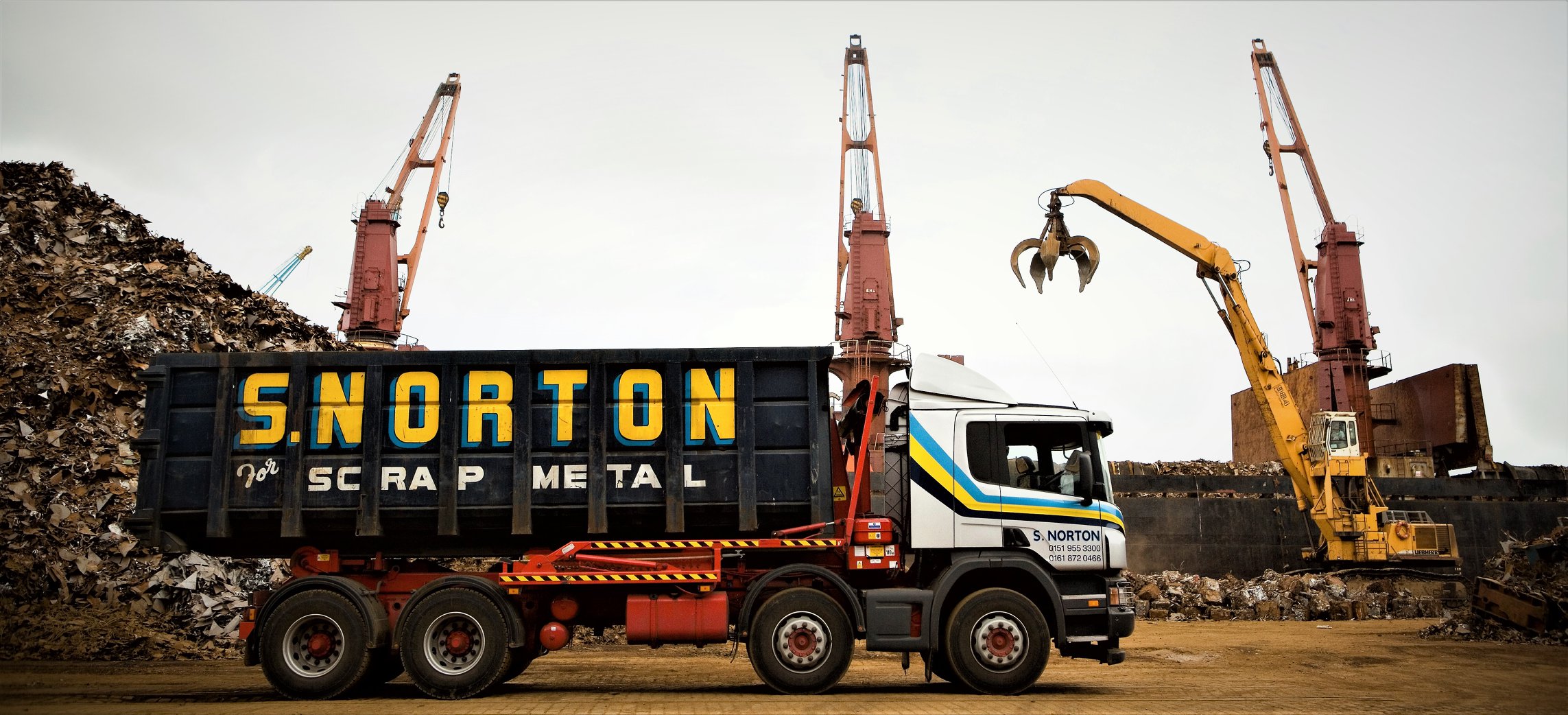
Shippers increasingly used western Saudi Arabian Red Sea ports to bypass the Strait of Hormuz. They encountered new security threats from militant attacks in the Bab al-Mandeb strait. Vessels avoiding the region faced extended voyages around the Cape of Good Hope. This added weeks to transit times. Meanwhile, escalating drone and missile attacks hit Ukrainian Black Sea ports. These attacks drained Panamax liquidity and halted iron ore and pellet exports. Regional processors were forced to curtail output and rely on record-priced domestic scrap.

Market Impact
○ Impacted Metals: Steel, Iron Ore, Direct-Reduced Iron
○ Direction: Bullish
○ Time Horizon: Near-term
○ Affected Industries: Steelmaking, Construction, Mining, Freight and Logistics, Shipping
○ Related Price Reports: Steel Weekly Price Report
○ Watch Item: Track freight rate fluctuations and security updates across Middle Eastern and Black Sea shipping lanes to gauge delivery timelines.
SuperMetalPrice Commentary:
Simultaneous logistical blockades across critical maritime chokepoints are fundamentally rewriting cost structures for bulk commodities. With traditional sea routes severely compromised, regional producers are paying exorbitant premiums for alternative transport and local scrap.




Leave a Reply
You must be logged in to post a comment.