


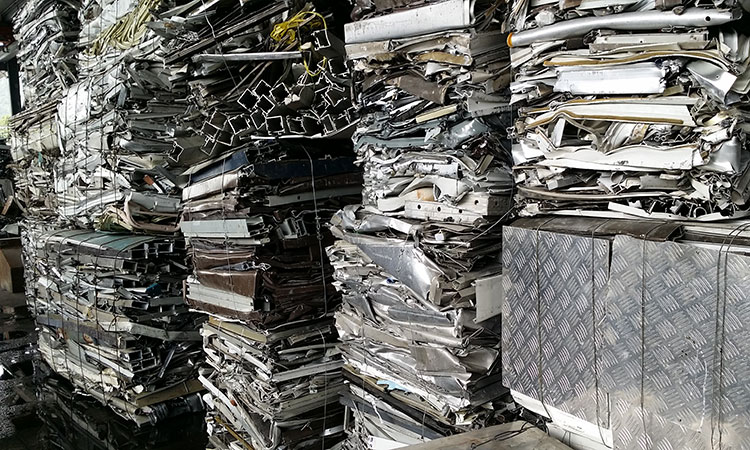
Stainless steel scrap markets are experiencing stable global demand through mid-2026, supported by active industrial generation in the United States and selective buying across Europe. While U.S. industrial accounts maintain a healthy pace of recycled material generation, domestic consumption remains steady rather than aggressive, pushing some processors toward export markets where buyers retain pricing leverage. Meanwhile, international logistics hurdles, including higher freight rates and war-risk insurance premiums, continue to influence landed costs for imported stainless scrap and specialty alloys.
Regional Supply Trends and Mill Demand
Industrial generation of stainless scrap in the United States remains robust, driven by steady output from manufacturing accounts. However, domestic consumption has plateaued, causing traders to navigate competitive export channels. In Europe, market participants report limited raw material availability, which helps offset modest consumption levels. Steel producers across the continent continue to purchase strictly in line with immediate production requirements, anticipating a subdued demand environment as they evaluate upcoming regulatory shifts such as the Carbon Border Adjustment Mechanism (CBAM).

Superalloys and High-Nickel Scrap Resilience
The superalloys and high-nickel scrap sectors are navigating ongoing shipping disruptions and pricing volatility by prioritizing supply chain reliability and long-term partnerships. Recyclers emphasize that material quality and dependable delivery are critical for securing repeat business amidst fluctuating nickel markets. In India, demand for high-nickel alloys remains robust, prompting a renewed focus on domestic collection networks to offset rising import pressures and maritime route restrictions.
Asia Logistics Pressures and Seasonal Slowdowns
Across Asia, stainless steel scrap demand presents a mixed picture due to localized cost pressures and seasonal operational shifts. While markets in India, Japan, and South Korea maintain steady consumption patterns, heightened logistics expenses, including elevated freight and insurance costs, continue to impact imported raw materials. Additionally, rising electricity costs during the summer months are expected to weaken near-term scrap demand and processing activity in Taiwan.
Market Impact
○ Impacted Metals: 304 Stainless Steel Scrap, 316 Stainless Steel Scrap, High-Nickel Alloys, Superalloy Scrap
○ Direction: Stable
○ Time Horizon: Q3 2026
○ Affected Industries: Stainless Steel Production, Special Alloy Manufacturing, Foundries, Metal Recycling
○ Related Price Reports: Stainless Steel Weekly Price Report, Nickel Alloy Weekly Price Report
○ Watch Item: Monitor summer electricity tariff impacts on Asian processing facilities and ongoing maritime freight cost fluctuations.
SuperMetalPrice Commentary:
Global stainless scrap markets are displaying underlying resilience despite logistical headwinds and regional cost pressures. While mill consumption remains tactical and tied to immediate needs, disciplined scrap availability is preventing severe price corrections.



Leave a Reply
You must be logged in to post a comment.